How to Stay Motivated on Your Italian Learning Journey
If you’re committed to mastering the enchanting Italian language, you may encounter moments of frustration or fatigue. Fear not! In this blog post, we’ll explore effective strategies to help you stay motivated and make your Italian learning experience enjoyable and sustainable.
1. Set Realistic Goals:
Start by establishing achievable short-term and long-term goals. Whether it’s mastering basic greetings, holding a conversation, or even planning a trip to Italy, having clear objectives will give you a sense of purpose and progress.
2. Create a Study Routine:
Consistency is key when learning a language. Design a study routine that fits into your daily life. Dedicate a specific time each day to focus on your Italian studies, making it a habit that becomes second nature.
3. Immerse Yourself in Italian Culture:
Learning a language goes beyond grammar and vocabulary. Immerse yourself in the rich culture of Italy. Watch Italian movies, listen to Italian music, and explore Italian cuisine. This not only makes learning fun but also provides context to the language.
4. Celebrate Small Victories:
Acknowledge and celebrate your achievements, no matter how small. Learning a new language is a gradual process, and every milestone is a step closer to fluency. Treat yourself when you conquer a challenging aspect of Italian grammar or successfully hold a conversation.
5. Connect with Native Speakers:
Practice makes perfect, and interacting with native speakers can significantly boost your confidence. Join language exchange programmes, online forums, or language meet-ups to connect with Italians who are eager to help you improve.
6. Diversify Your Learning Methods:
Don’t limit yourself to textbooks and traditional methods. Explore various learning resources such as language apps, podcasts, and online courses. Mix things up to keep your learning experience engaging and dynamic.
7. Keep a Language Journal:
Documenting your language journey in a journal can be a motivational tool. Write down your goals, track your progress, and reflect on your experiences. It’s a great way to stay accountable and see how far you’ve come.
8. Visualise Your Success:
Envision yourself confidently speaking Italian, whether it’s ordering your favourite dish in an Italian restaurant or navigating the streets of Rome. Visualisation can be a powerful motivator, inspiring you to stay committed to your language-learning goals.
9. Learn from Setbacks:
Embrace challenges and setbacks as part of the learning process. Instead of getting discouraged, view them as opportunities to identify areas for improvement. Learn from your mistakes and use them as stepping stones towards success.
10. Join a Learning Community:
Surround yourself with fellow language learners. Join online forums, social media groups, or local language meet-ups to share your experiences, seek advice, and find inspiration from others on a similar journey.
Embarking on a journey to learn Italian is a remarkable adventure that opens doors to a new world of culture and communication. By incorporating these motivational strategies into your routine, you’ll find the inspiration and determination needed to make your Italian learning journey both enjoyable and successful. Buona Fortuna (good luck) on your linguistic adventure!
What do most Italian tutors charge per hour?
Embarking on the journey of learning a new language can be a thrilling and rewarding experience. Italian, with its rich cultural heritage and melodious language, stands as a popular choice for language enthusiasts across the United Kingdom. If you’re considering hiring an Italian tutor to guide you through this linguistic adventure, one of the key aspects you might be interested in is the cost. In this blog post, we’ll delve into the various factors that influence the hourly rates of Italian tutors and provide insights into what you can anticipate.
Factors Influencing Italian Tutoring Rates:
- Experience and Expertise: Similar to any profession, the experience and expertise of a tutor significantly influence their hourly rates. Tutors with extensive teaching experience, advanced degrees in Italian or language education, and specialised knowledge may charge higher rates compared to those who are just starting out.
- Location: The cost of living and demand for language tutors can vary significantly depending on the geographical location within the United Kingdom. In major cities or areas with high demand for language learning, tutors might charge higher rates to reflect the local economic conditions.
- Type of Instruction: The mode of instruction can also impact the pricing. One-on-one sessions generally cost more than group lessons due to the personalised attention provided. Additionally, online tutoring may be more affordable than in-person sessions.
- Materials and Resources: Some tutors may provide additional learning materials, and resources, or use specialised teaching methods, which can affect the overall cost. Ensure you discuss these aspects with your potential tutor to understand what is included in the hourly rate.
- Certifications: Tutors with certifications in teaching Italian as a foreign language or related fields may command higher rates. Certifications often indicate a commitment to professional development and a higher level of expertise.
What Do Most Italian Tutors Charge Per Hour in the UK?
The hourly rates for Italian tutors can vary widely based on the factors mentioned above. On average, you can expect to pay anywhere from £20 to £45 per hour for private Italian lessons. Tutors with extensive experience, advanced qualifications, and a strong reputation may charge at the higher end of this spectrum.
Investing in an Italian tutor can significantly enhance your language learning experience. While the cost may vary, it’s essential to find a tutor who not only fits your budget but also aligns with your learning objectives. By considering factors such as experience, location, and teaching methods, you can make an informed decision to embark on your Italian language journey with confidence.
Mastering Italian Rapidly: A Guide to Accelerated Language Learning
Embarking on the journey to learn a new language is both exciting and challenging. If you’ve set your sights on mastering Italian swiftly, you’re in for an enriching experience. Learning a language requires dedication, but with the right strategies, you can accelerate your progress. In this blog post, we’ll explore effective techniques to help you learn Italian fast.
- Immerse Yourself in Italian Culture:
Learning a language goes beyond textbooks. Immerse yourself in the richness of Italian culture. Watch Italian films, listen to Italian music, and explore authentic Italian cuisine. This cultural immersion not only makes the learning process enjoyable but also exposes you to the nuances of the language in real-life contexts.
- Utilise Language Learning Apps:
In the digital age, language learning apps have become powerful tools for learners. Platforms like Duolingo, Babbel, and Rosetta Stone offer interactive lessons and exercises designed to enhance your Italian language skills. Make these apps a part of your daily routine to reinforce your learning consistently.
- Engage in Conversational Practice:
Practical application is key to language mastery. Find language exchange partners or join online communities where you can converse with native Italian speakers. Practice speaking, even if you make mistakes. Engaging in real conversations accelerates your ability to think and respond in Italian.
- Create a Structured Learning Schedule:
Consistency is crucial when learning a language quickly. Establish a structured learning schedule that includes dedicated time for listening, reading, writing, and speaking Italian. Break down your study sessions into manageable chunks to ensure steady progress.
- Learn Key Phrases and Vocabulary:
Focus on acquiring essential phrases and vocabulary relevant to your daily life. This targeted approach allows you to communicate effectively in various situations. Start with common greetings, expressions, and basic conversational phrases, gradually expanding your vocabulary as you progress.
- Immerse Yourself in Italian Media:
Expand your language skills by immersing yourself in Italian media. Read Italian books, newspapers, and online articles. This exposure to diverse linguistic styles enhances your comprehension and introduces you to different registers of the language.
- Take Formal Lessons:
Consider enrolling in formal Italian language courses, either online or at a local institution. Structured lessons provide a comprehensive understanding of grammar rules and language mechanics. A qualified instructor can offer guidance, correct your pronunciation, and provide valuable feedback.
Learning Italian fast is an achievable goal with dedication and a strategic approach. By immersing yourself in the language, utilizing technology, engaging in conversations, and maintaining a structured learning schedule, you’ll find yourself on the fast track to Italian fluency. Embrace the journey, celebrate small victories, and enjoy the linguistic adventure that awaits you! Buona fortuna (good luck) on your language-learning journey!
What Is the Toughest Part of Learning Italian?
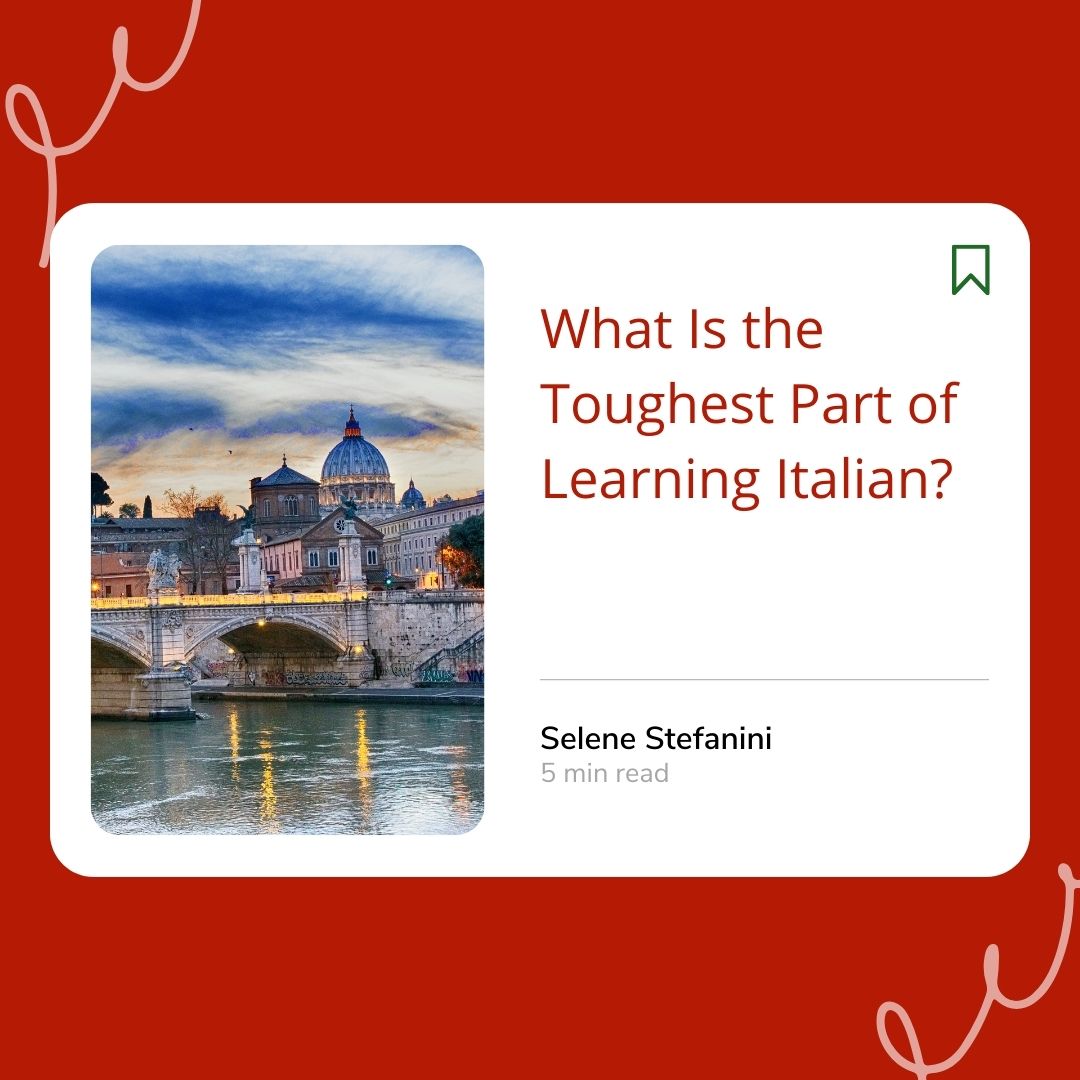
Learning a new language can be an exciting adventure, broadening your horizons and opening doors to new cultures and experiences.
From the mellifluous cadence of its words to its rich cultural heritage, Italian beckons learners from around the world. However, like any language, mastering Italian comes with its own set of challenges.
In this blog, we’ll explore the most challenging aspects of learning Italian and offer tips to navigate these hurdles successfully.
1. Pronunciation and Intonation:
The pronunciation in Italian is pretty straight forward. Each letter corresponds to a sound apart from a few small exceptions. Mastering the correct intonation and rhythm is crucial to sounding fluent. The placement of accents can change the meaning of a word entirely. For instance, the word “ancora”. If the accent is on the first syllable it means “anchor”, but if it is on the second syllable it means “again”.
Tip: Listen to native speakers, mimic their speech patterns, and don’t be afraid to make mistakes. Consider using language learning apps or courses that offer pronunciation guides and exercises.
2. Verbs Conjugation:
Italian verbs are notorious for their extensive conjugation patterns. Unlike English, where verb conjugations are relatively straightforward, Italian verbs change according to tense, mood, person, and number. Verbs like “essere” (to be) and “avere” (to have) are fundamental but can be challenging due to their various forms.
Tip: Start with essential verbs and gradually build your conjugation skills. Make flashcards or use verb conjugation tables as reference guides. Consistent practice and repetition are key.
3. Gendered Nouns:
In Italian, every noun is assigned a gender, either masculine or feminine. Determining the gender of a noun can be perplexing for learners, as there are few discernible rules governing this aspect of the language.
Tip: Learn nouns with their associated articles (il and lo are the two articles for masculine nouns, la for feminine) to internalise their gender. As you advance, you’ll develop a sense of gender through exposure and practice.
4. Idiomatic Expressions:
Italian, like any language, is peppered with idiomatic expressions that may not always make literal sense. Understanding and using these expressions correctly can be quite challenging, especially for beginners.
Tip: Surround yourself with authentic Italian content, such as books, movies, and conversations with native speakers. Over time, you’ll become more familiar with common idioms and expressions.
5. Subjunctive Mood:
The subjunctive mood is a complex aspect of Italian grammar and only used for advanced learners. It is mainly used to express opinion and “subjectivity”
Tip: Start by learning common phrases and situations where the subjunctive mood is used. Gradually incorporate these into your conversations and writing to gain confidence.
6. Cultural :
Language and culture are inseparable. Understanding the cultural context behind Italian phrases and expressions is essential for achieving fluency. This includes gestures, social norms, and regional variations in speech.
Tip: Immerse yourself in Italian culture as much as possible. Interact with native speakers, and read about the country’s history and customs.
Learning Italian is undoubtedly a rewarding journey, but it’s not without its challenges.
Overall, there are a lot of grammatical terms that plenty of people are not familiar with. Most people struggle to grasp simple concepts like verbs.
However, with dedication, practice, and a willingness to embrace both the language and its cultural context, you can overcome these hurdles.
Remember that language learning is a gradual process, and each step taken brings you closer to your goal. So, immerse yourself in the beauty of Italian, savour every moment of the learning process, and soon enough, you’ll find yourself confidently conversing in the language of love. Buona fortuna! (Good luck!)
PS – Contact me today if you decide that tutoring is the next best step for you.
How Long Does It Take to Realistically Learn Italian? Unveiling the Journey
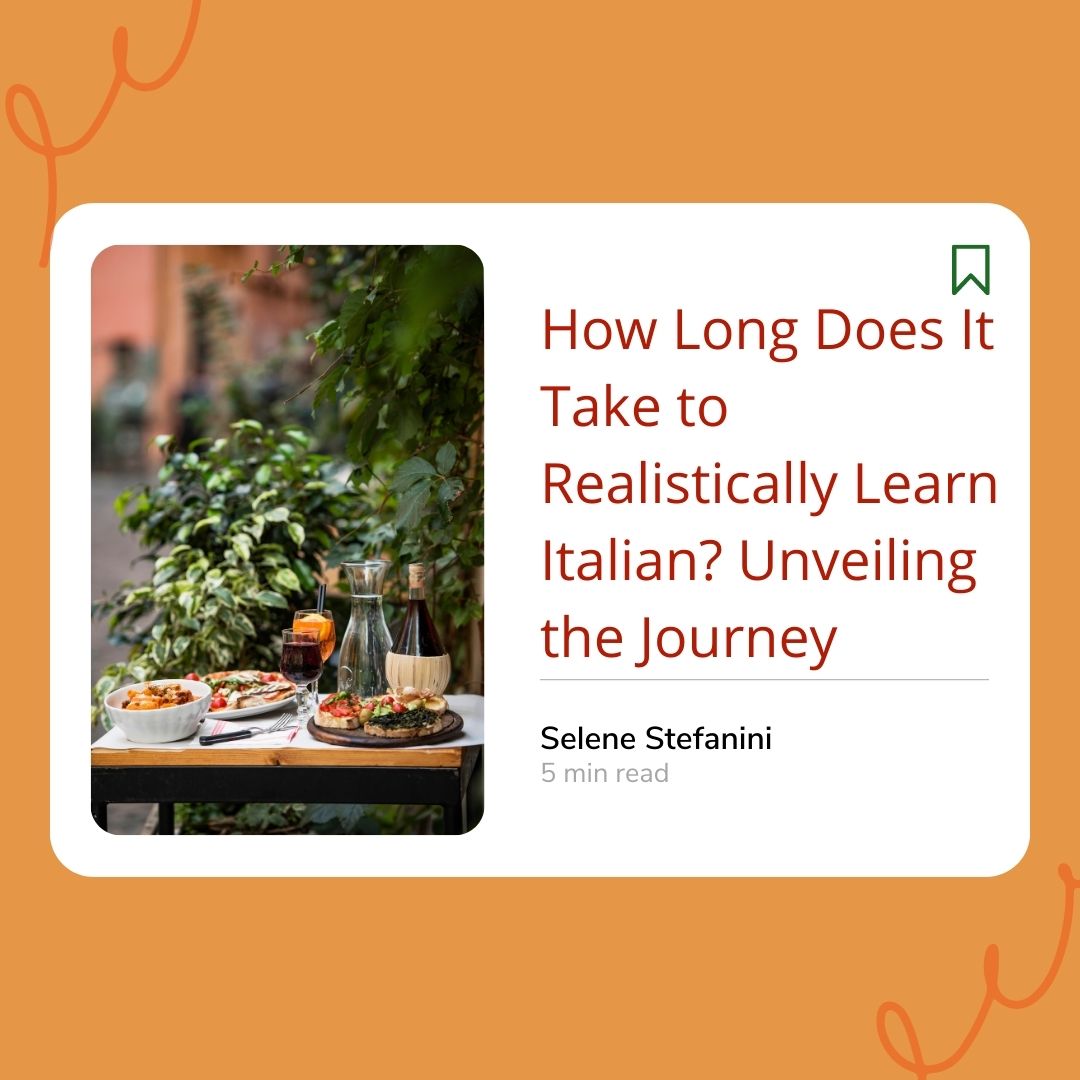
Embarking on the path of learning a new language, like Italian, is an exciting adventure. Italy’s rich history, vibrant culture, and melodious language have captivated language enthusiasts across the globe. However, a common question often arises: How long does it realistically take to learn Italian?
While there isn’t a one-size-fits-all answer, let’s delve into the factors that influence the timeline and uncover the stages of learning the Italian language.
The Language Learning Journey
Learning a language, such as Italian, can be likened to setting out on a journey. Much like travelling, the experience isn’t solely about reaching the destination but rather about immersing yourself in the process, embracing the culture, and evolving with each step.
Stage 1: Laying the Foundations (Beginner to Intermediate)
For beginners, the initial stage involves building a solid foundation. Depending on your prior language experience and the time you commit, it might take around 6 months to a year of consistent study and practice to reach an intermediate level.
During this stage, you’ll master fundamental grammar rules, develop a basic vocabulary, and engage in simple conversations. Online courses, language learning apps, and introductory classes can be valuable companions on this part of the journey.
Stage 2: Expanding Horizons (Intermediate to Advanced)
As you progress to the intermediate stage, your conversations become more intricate, allowing you to express opinions and ideas. This phase typically spans 1 to 2 years. Reading books, watching Italian films, interacting with native speakers, and even visiting Italy can enhance your learning journey. At this stage, your journey is not just about learning a language; it’s about immersing yourself in a new culture.
Stage 3: Mastery and Fluency (Advanced to Proficient)
Attaining fluency and proficiency requires time and dedication. While some learners achieve this within 2 to 3 years, others might take longer. At this advanced stage, you’re able to engage in nuanced discussions, comprehend subtleties, and even express humour. The key ingredients here are continuous practice, regular interactions, and potentially enrolling in more advanced language courses.
Influencing Factors
Numerous factors influence the timeline for learning Italian:
- Previous Language Experience: If you’re already proficient in another language like Spanish or French, you may find Italian easier due to their shared linguistic origins.
- Learning Environment: Immersion can expedite the learning process. Living in an Italian-speaking country or regularly conversing with native speakers can significantly boost your progress.
- Consistent Study: Regular practice and study sessions are crucial. Devoting an hour each day yields better results compared to sporadic intensive study sessions.
- Motivation and Goals: Your aspirations, whether it’s acquiring basic conversational skills for travel or delving into Italian literature, determine the intensity of your learning journey.
- Learning Resources: High-quality resources, such as language apps, textbooks, online courses, language exchange platforms and language teachers, can significantly enhance your learning experience.
Embrace the Journey
Learning Italian is a journey filled with challenges and rewards. Remember, it’s not just about reaching a destination but also relishing the experiences along the way.
Every conversation, new word learned, and cultural insight gained brings you closer to fluency.
The answer to “How long does it take to learn Italian?” lies within your dedication, consistency, and enthusiasm for the language and culture.
So, whether you’re embarking on this linguistic adventure for leisure or with career aspirations, embrace every stage and savour the transformation from a novice to a fluent speaker. The journey is yours to cherish, and the destination? It’s not merely Italian fluency, but a profound connection to a captivating language and the world it opens up.
Buon viaggio nella lingua italiana! (Happy journey into the Italian language!) 🇮🇹📚
PS – Contact me today if you decide that tutoring is the next best step for you.
How Can I Learn Italian for Free as a Beginner?
Embarking on the journey of learning a new language can be both exciting and rewarding. If you’re a beginner looking to learn Italian, whether it’s for a future trip to Italy, to connect with your Italian heritage, or simply to expand your linguistic skills, you’ll be glad to know that there are plenty of free resources available. In this blog post, we will explore various free resources and techniques that can help you kickstart your Italian language learning adventure
Online Language Learning Platforms:
The internet offers a wealth of free resources specifically designed for language learners. Platforms like Duolingo, Babbel, and Memrise offer interactive courses and exercises to help beginners grasp the basics of Italian. These platforms utilise gamification techniques, making learning fun and engaging.
Language Exchange Programs:
Take advantage of language exchange programs such as Tandem, HelloTalk, or ConversationExchange. These platforms connect language learners with native Italian speakers who are learning your language, creating an opportunity for mutual language practice. Engaging in conversations with native speakers can significantly improve your listening and speaking skills.
YouTube Channels and Podcasts:
There are numerous YouTube channels and podcasts dedicated to teaching Italian. Channels like Italy Made Easy, Learn Italian with Lucrezia. Podcasts such as “Coffee Break Italian” and “News in Slow Italian” offer audio content that helps improve your listening skills.
Italian Language Learning Apps:
In addition to online platforms, mobile apps like Memrise provide bite-sized lessons and vocabulary practice. These apps are convenient for learning on the go and offer interactive features to make your learning experience more engaging.
Language Learning Websites:
Websites like BBC Languages offer a wide range of free resources, including grammar explanations, vocabulary lists, exercises, and quizzes. These websites are excellent tools for independent learners who prefer a structured approach.
Online Italian Communities:
Joining online communities, forums, or social media groups focused on Italian language learning can be beneficial where you can ask questions, share experiences, and find support from fellow learners and native speakers.
Public Libraries and Language Exchange Meetups:
Check your local public library for Italian language learning materials, including textbooks, phrasebooks, and audio resources. Additionally, explore language exchange meetups or conversation groups in your area, where you can practise speaking Italian with other learners and native speakers.
Conclusion:
Learning Italian as a beginner doesn’t have to be expensive. By leveraging the power of the internet and free language learning resources, you can embark on your Italian language journey without breaking the bank. Remember to stay consistent, practise regularly, and immerse yourself in the language as much as possible. With dedication and the right resources, you’ll be speaking Italian with confidence in no time. Buona fortuna! (Good luck!)
PS – Contact me today if you decide that tutoring is the next best step for you.
What Should You Learn First When Learning Italian?

Introduction:
Ciao! Are you considering learning Italian? Congratulations on embarking on a fascinating linguistic and cultural journey. As you delve into the beautiful language of Dante and Fellini, it’s important to establish a solid foundation for your Italian language learning. In this blog post, we will guide you through the essential aspects you should focus on when beginning your Italian language journey. Let’s dive in!
1. Basic Pronunciation and Phonetics:
When starting to learn any language, it’s crucial to grasp the fundamental sounds and pronunciation rules. Italian is known for its melodic and expressive pronunciation. Spend time familiarising yourself with the Italian alphabet, vowel sounds, consonant clusters, and stress patterns. Practise listening to native speakers, imitating their intonation and rhythm. This early focus on pronunciation will greatly aid your communication skills in the future.
2. Everyday Vocabulary and Useful Phrases:
To begin communicating effectively in Italian, you should prioritise learning everyday vocabulary and useful phrases. Start by building a strong vocabulary foundation comprising common words related to greetings, introductions, numbers, time, family, and basic conversation. Learn simple phrases such as “Come stai?” (How are you?), “Grazie” (Thank you), and “Mi chiamo…” (My name is…). These phrases will empower you to engage in basic conversations from the very beginning.
3. Grammar Essentials:
Grammar forms the backbone of any language. While it might seem daunting, understanding Italian grammar is essential for constructing accurate sentences and conveying your thoughts clearly. Begin with the basics, such as subject pronouns, noun gender, definite and indefinite articles, verb conjugation, and sentence structure. Familiarise yourself with common verb tenses like present, past, and future, and learn how to form questions and negatives. As you progress, delve deeper into more complex aspects of grammar.
4. Listening and Speaking Skills:
Italian is a highly phonetic language, and listening comprehension plays a significant role in mastering it. Actively listen to Italian audio materials, such as songs, podcasts, and TV shows. Surrounding yourself with the language helps develop your ear for pronunciation, intonation, and vocabulary. Additionally, practise speaking as much as possible. Engage in conversations with native speakers or language exchange partners to enhance your spoken fluency and confidence.
5. Reading and Writing Proficiency:
As your comprehension and speaking skills improve, focus on reading and writing to reinforce your understanding and ability to express yourself. Start with simple texts, such as children’s books or graded readers, and gradually progress to more advanced literature. Keep a vocabulary notebook to jot down new words and phrases. Writing exercises, like composing short paragraphs or maintaining a journal, will enhance your written expression and grammatical accuracy.
6. Cultural Awareness:
Language and culture go hand in hand. Immerse yourself in Italian culture to gain a deeper understanding of the language and its nuances. Explore Italian history, art, music, cinema, and cuisine. Try traditional Italian dishes, listen to Italian music, and watch Italian movies. This cultural enrichment will enhance your language learning experience and allow you to connect with the Italian-speaking world on a deeper level.
Conclusion:
Learning Italian is an enriching experience that opens doors to a vibrant culture and a rich linguistic heritage. By prioritising the foundational aspects outlined in this blog post—pronunciation, vocabulary, grammar, listening, speaking, reading, writing, and cultural awareness—you’ll set yourself on a path to mastering the language with confidence. So, grab your Italian textbook, immerse yourself in the language, and embrace the bella lingua italiana!
Buon divertimento con l’apprendimento dell’italiano! (Enjoy learning Italian!)
PS – Contact me today if you decide that tutoring is the next best step for you.
What is the best Italian learning method
If you’re interested in learning Italian, you may be wondering what the best method is to achieve your language learning goals. With so many resources and approaches available, it can be overwhelming to decide where to start. In this blog, we will explore some of the most effective Italian learning methods to help you on your language learning journey.
- Immersion Programs: One of the most effective ways to learn Italian is through immersion programs. These programs typically involve living in an Italian-speaking country for an extended period of time, where you are constantly exposed to the language and culture. Immersion programs allow you to practice Italian in real-life situations, improve your listening and speaking skills, and gain confidence in your ability to communicate. This method is highly effective as it encourages you to learn Italian in a natural and practical way, and you will likely see significant progress in a short period of time.
- Language Exchange: Another popular method for learning Italian is through language exchange programs. These programs pair you with a native Italian speaker who wants to learn your native language, and you both exchange language lessons. This method allows you to practice speaking Italian with a native speaker, while also helping them learn your language. It’s a great way to improve your conversational skills, learn about Italian culture, and build friendships with native speakers.
- Online Language Learning Platforms: With the advancement of technology, online language learning platforms have become increasingly popular. These platforms offer interactive lessons, exercises, and quizzes that cater to different language levels and learning styles. Some popular online language learning platforms for Italian include Duolingo, Babbel, and Rosetta Stone. These platforms allow you to learn at your own pace, and you can access them from anywhere with an internet connection. They often include features such as speech recognition and interactive exercises to practice your listening, speaking, reading, and writing skills.
- Language Schools: Language schools are another option for learning Italian. These schools offer structured language courses taught by qualified instructors who are experienced in teaching Italian as a foreign language. Language schools typically provide a comprehensive curriculum that covers grammar, vocabulary, listening, speaking, reading, and writing skills. They may also offer cultural activities and opportunities for language practice with other students. Language schools are a good option if you prefer a more traditional classroom setting and want to learn Italian in a structured environment.
- Self-Study: If you prefer to learn Italian on your own, self-study can be a viable option. There are numerous Italian language textbooks, grammar guides, and online resources available that can help you learn Italian at your own pace. You can create your own study plan and set your own learning goals. Self-study requires discipline and motivation, but it can be a flexible and cost-effective way to learn Italian.
- Tutoring: Another effective method for learning Italian is through one-on-one tutoring. Working with a qualified Italian tutor can provide you with personalised instruction, feedback, and guidance tailored to your individual needs and learning style. A tutor can help you improve your language skills, provide explanations for grammar concepts, practice conversation, and correct your mistakes in real-time. Tutoring is a highly effective method for learning Italian if you prefer individualised instruction and feedback.
In conclusion, the best Italian learning method depends on your individual preferences, learning style, and goals. Immersion programs, language exchange, online language learning platforms, language schools, self-study, and tutoring are all effective methods for learning Italian. Consider your learning style, available resources, and the level of immersion you prefer, and choose the method that best suits your needs.
With dedication, practice, and consistency, you can achieve your Italian language learning goals and open up new opportunities for communication, travel, and cultural enrichment. Buona fortuna! (Good luck!)
PS – Contact me today if you decide that tutoring is the next best step for you.
Ciao Bella! Discovering the Fun and Fascinating Motivations to Learn Italian!
Do you dream of indulging in mouthwatering Italian cuisine, wandering through the historic streets of Rome, or savouring the sweetness of “la dolce vita”?
If so, learning Italian might be the perfect adventure for you! Beyond the practical benefits, Italian is a language that ignites a sense of excitement and wonder, making it a truly fun and fulfilling language to learn. Let’s dive into some of the most exciting motivations to learn Italian that is sure to make your language journey a thrilling ride!
- Ciao to Italian Culture and Heritage: When it comes to culture and heritage, Italy is a treasure trove of wonders that never fail to mesmerize. From world-famous Renaissance art to the awe-inspiring ruins of ancient Rome, Italy is a living museum that exudes charm and elegance. Learning Italian allows you to unlock the secrets of Italian culture, connect with locals on a deeper level, and immerse yourself in the rich traditions, customs, and folklore that make Italy so enchanting. Plus, imagine being able to impress your friends with your knowledge of Italian opera, fashion, and cinema – you’ll be the life of the party!
- Mangia, Mangia! Passion for Italian Cuisine: Calling all foodies! Italian cuisine is a culinary delight that’s renowned worldwide for its simple yet tantalizing flavours. Just the thought of savouring a piping hot bowl of pasta with a glass of fine Italian wine is enough to make anyone’s mouth water. Learning Italian allows you to fully appreciate the art of Italian cooking, from understanding authentic recipes to conversing with local chefs and ordering food like a true Italian. Plus, with Italian food being a global sensation, you might even impress your taste buds and your friends with your newfound culinary skills!
- Bella Italia! Travelling in Italy: Italy is a dream destination for many travellers, and knowing Italian can unlock a world of exciting adventures. Imagine strolling through the romantic alleys of Venice, exploring the sun-kissed vineyards of Tuscany, or sunbathing on the glamorous beaches of the Amalfi Coast – all while conversing with locals in their native language! Learning Italian enables you to go beyond the tourist hotspots, connect with the locals, and truly immerse yourself in the Italian way of life. From bargaining at local markets to ordering gelato like a pro, speaking Italian can add a whole new dimension of fun and spontaneity to your travels!
- Fun, Fun, Fun! The Joy of Learning Italian: Learning Italian is not just about practicality – it’s also a thrilling and enjoyable journey of self-discovery. Italian is a melodic and expressive language that’s sure to captivate your heart from the very first “ciao!” The joy of learning Italian lies in the process itself, from mastering the musical tones and hand gestures to learning the delightful Italian phrases and slang. It’s a language that’s sure to make you smile, laugh, and feel a sense of accomplishment with every new word or phrase you learn. Plus, with the friendly and warm-hearted nature of Italians,
Learning Italian is not just about gaining language skills, but it’s also about embracing a whole new world of excitement, culture, cuisine, travel, and opportunities. It’s a language that can spark your curiosity, awaken your senses, and bring you closer to the heart and soul of Italy.
Whether you’re a foodie, a culture enthusiast, a traveller, a professional, or simply someone who loves to learn, Italian has something to offer for everyone.
So, why not embark on this thrilling journey of learning Italian? With its inherent beauty, musicality, and charm, it’s a language that’s sure to bring joy, laughter, and fun into your life.
And who knows, you might just find yourself immersed in the enchanting world of Italian culture, indulging in delicious Italian cuisine, exploring the breathtaking landscapes of Italy, or even making new friends with the locals. So, get ready to say “Ciao Bella!” to the wonderful motivations to learn Italian and embrace the adventure of a lifetime! Buon Viaggio! (Bon voyage!)
Take a trip to Rome, where history and art are waiting for you!
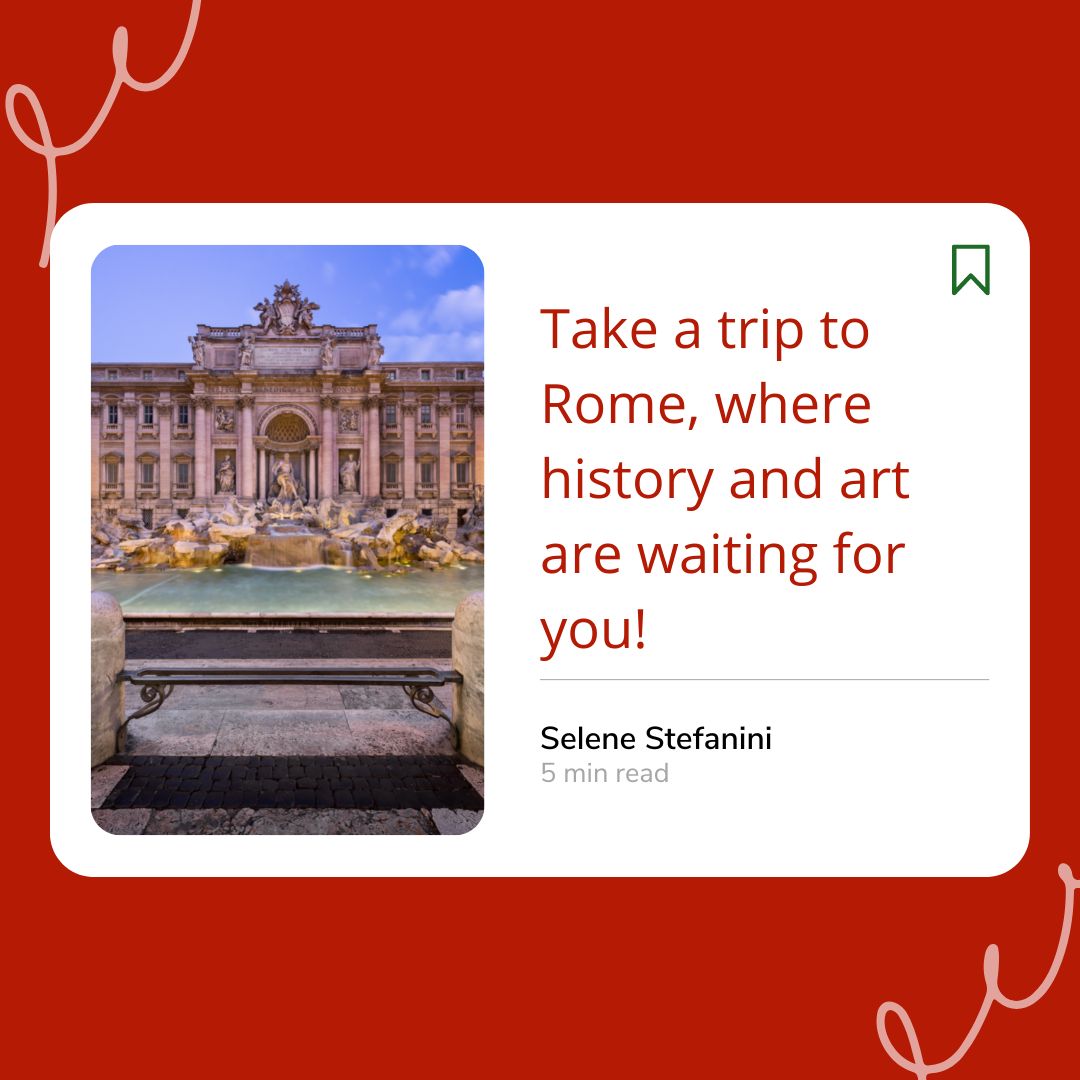
If you’re looking for something to do in Rome, you’ve come to the right place. There’s so much to see and do here that it’s hard to know where to start. One of the best things about Rome is its rich history—from ancient ruins and historic buildings, to old churches and cathedrals. You can’t miss the Colosseum, one of the most famous ancient sites in the world. And don’t forget about all those beautiful paintings by Michelangelo, Raphael, and Leonardo da Vinci!
A city that was founded over 2,500 years ago has been a centre of art, history, and culture ever since.
But Rome isn’t just about history—there’s also plenty of art and food! You can enjoy a delicious meal at an outdoor cafe near the Trevi Fountain or take a tour of the Vatican Museum to see some of history’s most important works of art. If you’re more interested in seeing modern artworks than ancient ones, head over to Il Salone del Mobile Design Museum—it’s a great place for design lovers (and probably anyone who likes looking at pretty things).
Here are some things you should consider visiting and doing in Rome:
The Colosseum: The Colosseum is an iconic symbol of ancient Rome and one of the most popular tourist attractions in the city. Built in the 1st century AD, it was the largest amphitheatre ever built and could hold up to 80,000 spectators.
The Roman Forum: The Roman Forum was the centre of political and social life in ancient Rome. Visitors can see ruins of temples, government buildings, and other structures from the Roman Republic and Empire.
The Vatican Museums: The Vatican Museums are home to some of the world’s most important art collections, including the Sistine Chapel, which contains Michelangelo’s famous ceiling frescoes.
St. Peter’s Basilica: St. Peter’s Basilica is the largest church in the world and one of the holiest sites in Christianity. Visitors can see the impressive dome, the ornate decorations, and the tombs of many popes.
Eat carbonara, amatriciana and saltimbocca alla Romana: Rome is famous for its delicious food, and some of the must-try dishes include carbonara (a pasta dish with egg, cheese, and bacon), amatriciana (a tomato-based pasta sauce with bacon and pecorino cheese), and saltimbocca alla Romana (a veal dish with prosciutto and sage).
The Pantheon: The Pantheon is a magnificent ancient temple dedicated to all the gods. Its dome is one of the largest unreinforced concrete domes in the world.
The Trevi Fountain: The Trevi Fountain is a Baroque masterpiece and one of the most famous fountains in the world. Legend has it that if you throw a coin over your shoulder into the fountain, you will ensure your return to Rome.
The Spanish Steps: The Spanish Steps are a popular spot for tourists to relax and take in the atmosphere of the city. They lead up to the Trinità dei Monti church and offer panoramic views of the city.
These are just a few of the many things to see and do in Rome. Whether you’re interested in history, art, or food, Rome has something for everyone.
If you are taking a trip to Rome this year, why not brush up on your Italian? Contact me here for more information!
 selenestefanini.com